
How The Cow Is Affecting Lives Of People In India
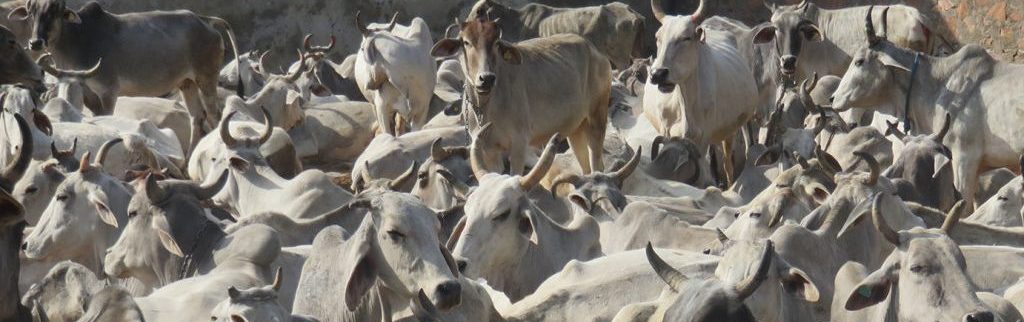 Cow “the holy animal” has been talk of the town for few years in the country. Vigilantism in the name of cow, has taken many lives in last few years and a lots of controversies erupted due to it. May be some political and religious factors were responsible for that but here we are not going to look at that aspect of issue rather we are focusing on how it has affected the lives of people in the country.
 Number of this bovine is increasing very rapidly that is causing various types of problem such as agricultural, economic and others as well. So firstly we will look at its major impacts on agriculture:
- Increasing stray cattle are destroying crops in the farm field which takes a lot of effort and money of a farmer. Previously Blue Bulls (neelgai), stray bulls were the agents responsible for the crop damage, though they were very less in number. But cows are doing it on very large scale as compare to them.
- According to an estimate, about 2 million stray cows are there in India and in which nearly more than 1 million are in Uttar Pradesh only. You can find them everywhere, like in the marketplace, around the garbage or dump yards (in search of food), around the railway tracks, roads and farm fields.
- They are crop destroyer herds. They move in the group of 10 or more and off course, a sole person wouldn’t be able to handle them. So they are sufficient to finish your agricultural produce overnight. It means “as you sow so shall they reap”.
- To avoid them, farmers have to bear extra burden on fencing of farm fields. This is a big problem for small and marginal farmers which are doing sustenance farming. So overall it is increasing the total agricultural investment for them.
- Those farmers, which are not able to pay the increased burden of fencing, they give night duty to save crops in the group of ten to fifteen person, keep waking whole night. You can see these views in most parts of northern India.
Increasing number of attacks on people by cow vigilantes on the basis of suspicion has made those people’s life harder who are engaged in trade of cattle even for those who are not engaged in cow slaughtering. It will cause some serious impacts on economy though it not seems as big for now but gradually it’ll affect negatively.
- Transportation of cows is risky because many times vigilantes attacked on innocent people. Recently in one case, one farmer was carrying his cow to a veterinary clinic and some people attacked on him in the suspicion that he was going to sale that for slaughter.
- Some popular animal fairs of India are declining, due to this. For example Sonpur, Pushkar, Nagpur and Ganganagar are some of the popular cattle fairs of the country. Recently held Pushkar fair(Rajsthan), losing its charm due to cow vigilantism and more than 75% of cattle sale has been decline in last four years. Apart from this, many small fairs are on their extinction.
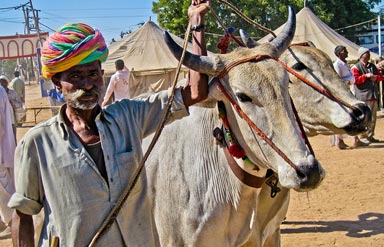
- Cow vigilantes are extorting money from the cattle traders on highways and after that they allow them to go.
- Because of this, farmers are avoiding cattle rearing and they are preferring buffalos over cows.
- Such ongoing crisis is disrupting the critical balance of India’s livestock economy and putting country’s farmers at more risk.
In addition to that, there are some other influences of rapid increase in cattle like:
- Cows have become a sensitive topic in our country and people feel fearful in handling them. When any cow is found to be injured on the way then people avoid them because they are fearful of vigilantes.
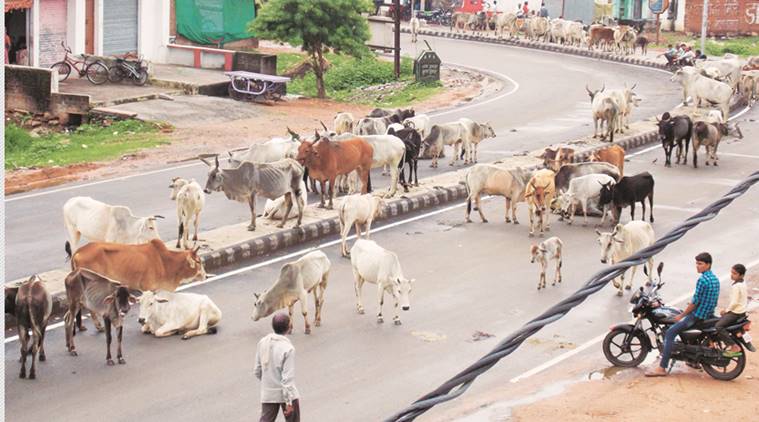
- Increasing number of stray cattle can be seen roaming on the roads, highways and expressways also. You can see herd of cows sleeping on the roads in night and they are causing accidents or many times traffic blockage.
- Cow shelters are overflowing with cattle and there are very less number of staff for their maintenance as compare to what is required. There is also lack of essential facilities, hygiene and because of this many of them are dying.
2 Comments
it's a really good article that is showing real concerns of present time
ReplyDeletethank you
ReplyDelete